14 Sep 2026
Income flow tracking in unified apps reveals rate variations during shifts from revolving credit lines to fixed-term options for schooling expenses and vehicle acquisitions
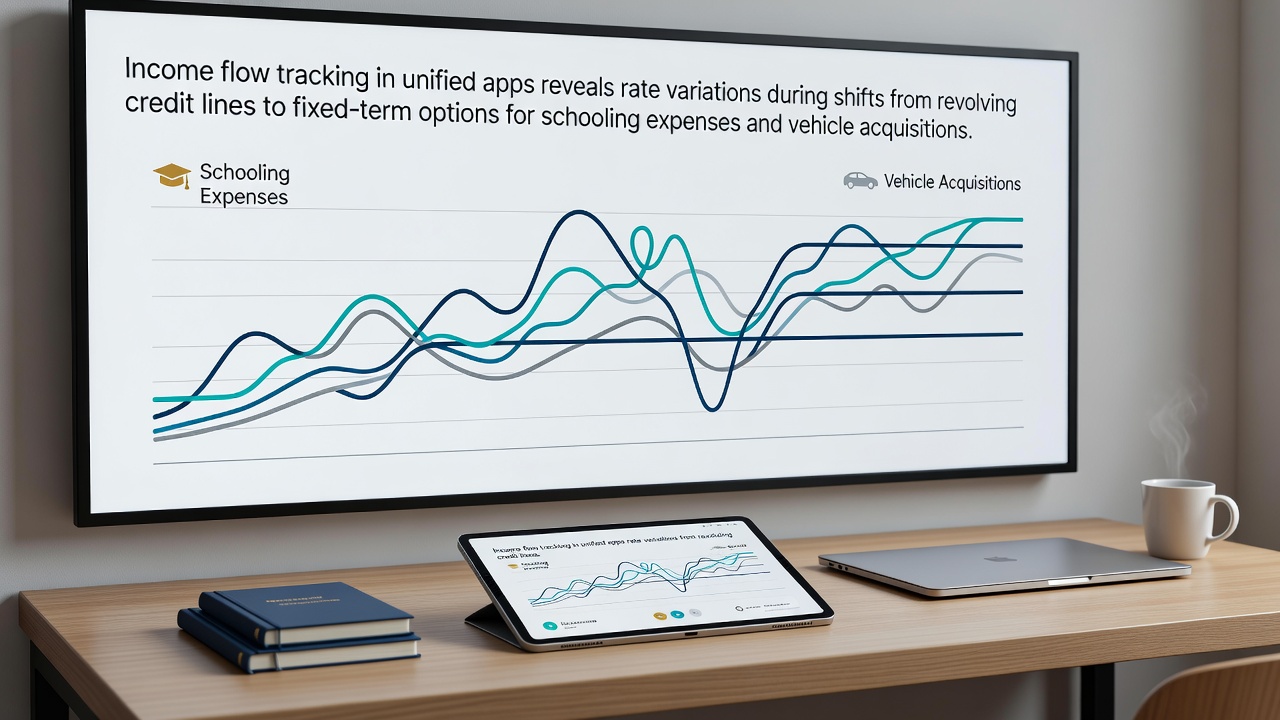
Unified financial applications now aggregate income streams alongside borrowing histories, and they surface measurable differences in annual percentage rates when users transition from revolving credit lines to fixed-term loans for education costs and vehicle purchases. Data pulled from these platforms shows consistent patterns where credit card balances carry higher rates than installment products designed for specific purchases, and income tracking features help users identify optimal timing for those moves.
Income Integration in Single-Platform Environments
Modern banking applications connect deposit accounts directly to credit products, which allows real-time monitoring of incoming funds against outstanding balances on revolving lines. Researchers at several institutions note that when income deposits appear in linked accounts, the software flags opportunities to redirect portions toward fixed-rate options for schooling expenses or vehicle acquisitions. In September 2026, updates to major platforms incorporated enhanced categorization tools that separate education-related outflows from transportation purchases, producing clearer signals about rate differentials.
These integrations rely on application programming interfaces that pull transaction histories and match them against prevailing lender offers. Observers have documented cases where users with steady payroll deposits received pre-qualified fixed-term proposals at rates several points below their current revolving balances. The apps display side-by-side comparisons that highlight how a shift from variable credit card interest to a fixed student or auto loan alters projected monthly outflows over multi-year periods.
Observed Rate Patterns During Credit Transitions
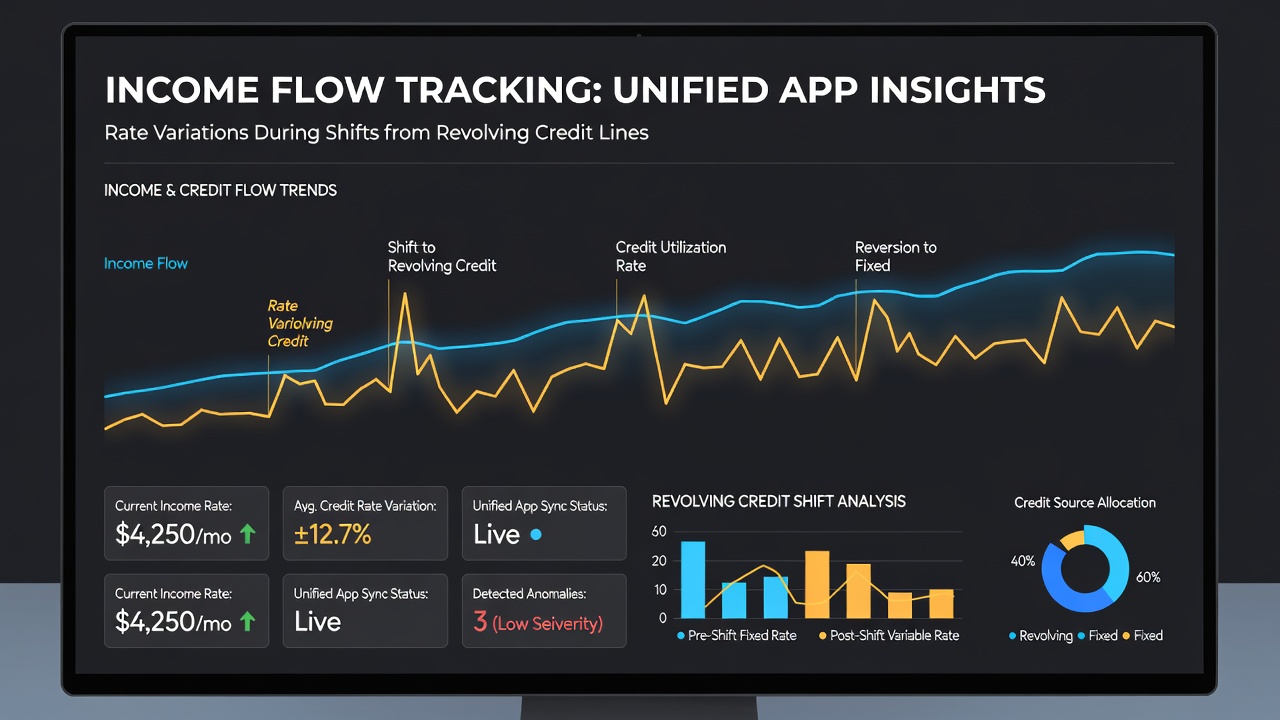
Analyses of aggregated app data indicate that revolving credit lines tied to everyday spending often carry rates between 15 and 25 percent, whereas fixed-term loans for schooling average between 4 and 8 percent and vehicle financing sits between 5 and 10 percent depending on credit profiles. When income flow tracking identifies surplus deposits after recurring expenses, the platforms surface alerts prompting users to explore refinancing sequences that move balances onto lower-rate installment products.
One dataset compiled across multiple lenders showed that individuals who executed such shifts reduced total interest paid by an average of 30 percent over the life of the new loans. The timing of these moves frequently aligns with seasonal income spikes, such as tax refunds or bonus payments, which the apps flag as windows for initiating transfers from revolving accounts to fixed structures.
Schooling Expenses and Vehicle Acquisitions in Focus
Education funding often begins on credit cards for tuition deposits or supplies before users consolidate into federal or private student loans with fixed schedules. Vehicle acquisitions follow a similar path when buyers initially charge down payments or use cards for repairs, then pivot to dedicated auto loans once income patterns stabilize. Unified apps track these sequences by categorizing merchant codes and merchant descriptions, then overlay current market rates from multiple lenders.
According to Federal Reserve consumer credit statistics, the volume of such consolidations increased noticeably in the third quarter of 2026, coinciding with platform enhancements that linked deposit inflows to loan origination workflows. Data from these environments also reveal that users who maintain consistent income deposits over six months receive more competitive fixed-rate offers for both schooling and transportation needs.
Platform Features Driving Visibility
Income categorization engines within the apps separate salary, freelance, and investment inflows, then project how sustained deposits support fixed monthly payments on new loans. This visibility helps users sequence payoffs so that higher-rate revolving debt is addressed first, followed by establishment of lower-rate installment obligations for remaining education or vehicle balances. Lenders participating in these ecosystems report faster origination times when applicants arrive with pre-verified income histories pulled directly from the apps.
Additional tools compare amortization schedules across product types, showing how a five-year auto loan versus a ten-year student loan alters cash flow when both are funded after an initial revolving period. Those comparisons rely on current rate feeds that update daily, ensuring the displayed variations reflect live market conditions rather than static estimates.
Conclusion
Income flow tracking within unified applications continues to surface quantifiable rate advantages when users move balances from revolving credit lines to fixed-term products for schooling and vehicle needs. Platform data from September 2026 onward demonstrates that these transitions occur more frequently when deposit patterns are visible and matched against lender offers in real time. The resulting structures produce lower overall borrowing costs across both education and transportation financing categories.