28 Sep 2026
How Purchase Timelines in Linked Deposit Histories Signal Shifts Between Short-Term Revolving Options and Longer Asset-Backed Arrangements in Single-App Ecosystems
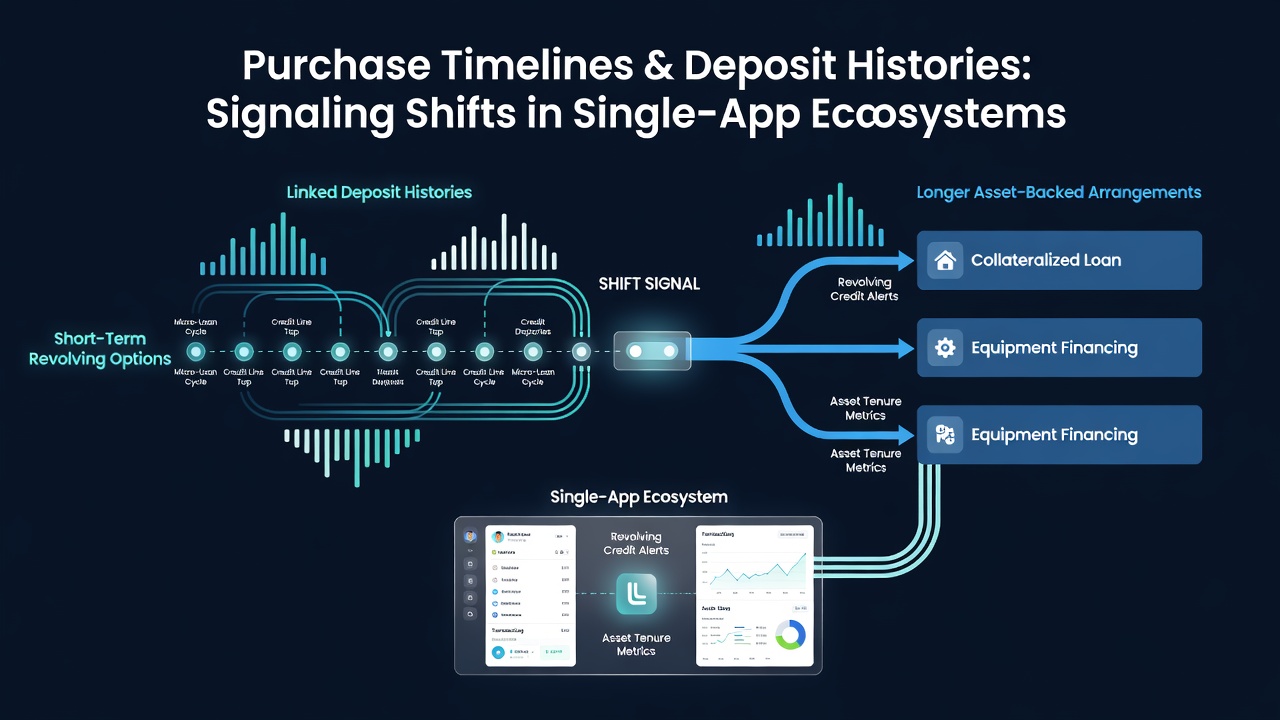
Banking applications that connect deposit accounts to multiple credit products allow observers to track purchase sequences over time, and these sequences often precede changes in borrowing behavior. Transaction records show clusters of smaller, frequent charges followed by larger, infrequent outlays, patterns that researchers link to transitions from revolving credit lines to secured financing arrangements. Data from integrated platforms indicate that deposit inflows and outflows provide timing cues when users begin aligning short-term obligations with longer repayment schedules.
Patterns in Deposit-Linked Transaction Records
Deposit histories within a single application surface chronological markers such as recurring utility payments, grocery expenditures, and periodic salary credits that coincide with shifts in credit utilization. Analysts note that a sustained increase in average daily balances often appears weeks before applications for asset-backed facilities increase. One study of consumer accounts found that users who moved funds from checking accounts into dedicated savings buckets within the same app were 34 percent more likely to originate auto or home loans within the following quarter, according to Federal Reserve consumer credit statistics.
Timing matters because revolving products rely on immediate liquidity while asset-backed loans require proof of stable cash flow. When deposit records reveal a lengthening interval between purchases, platform algorithms flag the change as a potential signal for product migration. Those who have examined millions of anonymized records observe that weekend spending spikes followed by mid-week transfers into reserve accounts frequently precede applications for secured credit.
Distinguishing Revolving Credit from Asset-Backed Structures
Short-term revolving facilities, primarily credit cards, carry variable rates and minimum payments that reset monthly, whereas asset-backed arrangements such as mortgages and auto loans amortize principal over fixed periods secured by collateral. Purchase timelines help differentiate these because revolving debt appears as numerous small debits that clear within the billing cycle, while asset-backed commitments show larger, scheduled transfers that align with payroll cycles. Research from the Bank of Canada indicates that households exhibiting deposit patterns with reduced frequency of discretionary charges demonstrate higher approval rates for secured loans within six months.
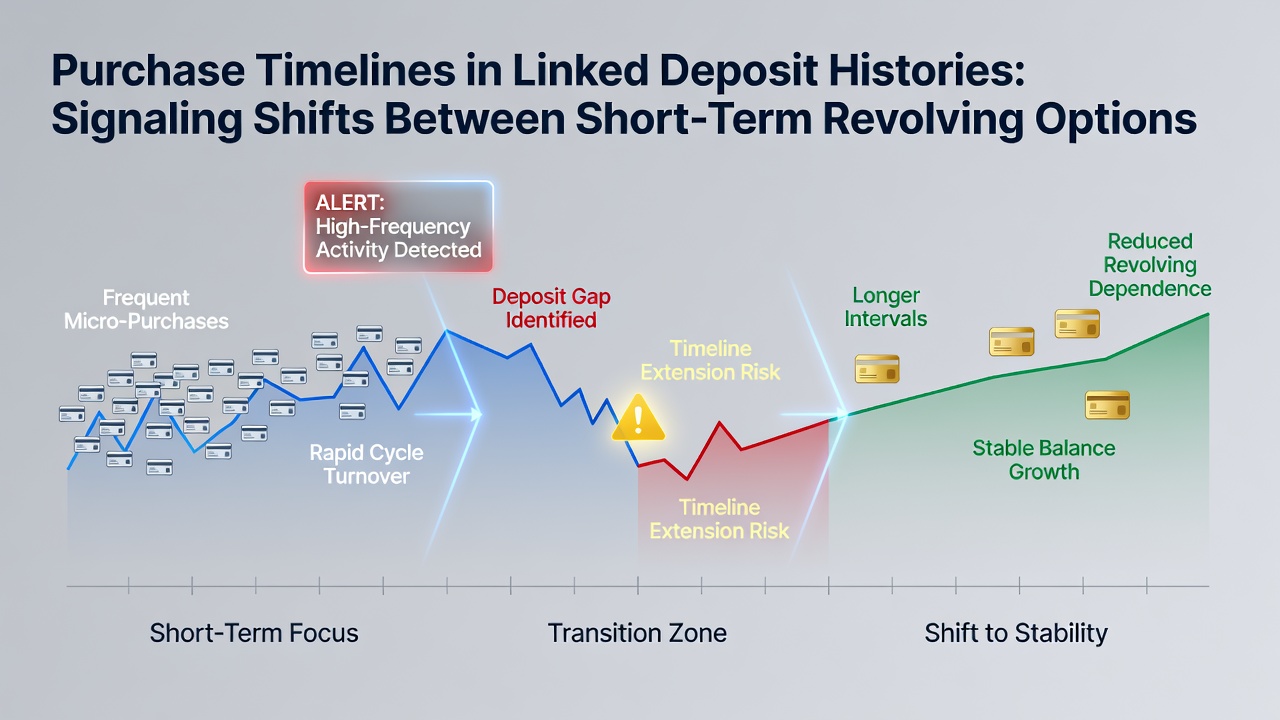
September 2026 data releases highlighted an acceleration in this pattern across North American platforms. Transaction logs captured an uptick in users consolidating multiple revolving balances into single transfers earmarked for down payments, a movement that coincided with rising origination volumes for vehicle financing. The sequences appear in apps that aggregate checking, savings, and credit card feeds, allowing the system to correlate deposit stability with impending secured borrowing requests.
Role of Unified Platforms in Detecting Behavioral Signals
Single-app ecosystems aggregate deposit histories with credit reporting feeds, creating a unified ledger that surfaces timing discrepancies. When a user reduces the number of micro-transactions while increasing recurring transfers to a holding account, the platform registers the change as a potential pivot point. Observers have documented cases where such adjustments preceded mortgage pre-approvals by four to eight weeks, giving lenders earlier visibility into repayment capacity. European Central Bank working papers on household finance note similar correlations in euro-area data, where deposit-linked purchase clustering predicted shifts toward longer-maturity secured products.
Algorithms within these applications apply rules that weigh purchase cadence against deposit volatility. A sequence of three consecutive months showing declining daily transaction counts, paired with rising average balances, triggers alerts for product comparison tools. Users then receive prompts to review secured options, and completion rates for those reviews rise when the underlying deposit timeline demonstrates consistency.
Implications for Lenders and Platform Operators
Lenders gain predictive signals when they access anonymized aggregates from deposit-linked histories. These signals help calibrate marketing for secured products during periods when revolving utilization begins to plateau. Platform operators, meanwhile, refine notification timing so that suggestions for asset-backed arrangements arrive when deposit patterns indicate readiness rather than during peak revolving activity. Data from integrated systems in Australia reveal that such timed interventions correlate with a measurable increase in conversion from credit-card users to mortgage or auto-loan applicants within the same ecosystem.
Conclusion
Purchase timelines embedded in linked deposit histories provide measurable indicators of movement between short-term revolving credit and longer asset-backed arrangements inside unified banking applications. The chronological order of transactions, combined with deposit stability metrics, allows platforms to surface relevant options at moments when users demonstrate behavioral readiness. Continued observation of these patterns supplies lenders with forward-looking data while giving consumers earlier visibility into financing pathways that match their evolving cash-flow profiles.